
BEACH TOURS HAWAII • OʻAHU TRAVEL GUIDE
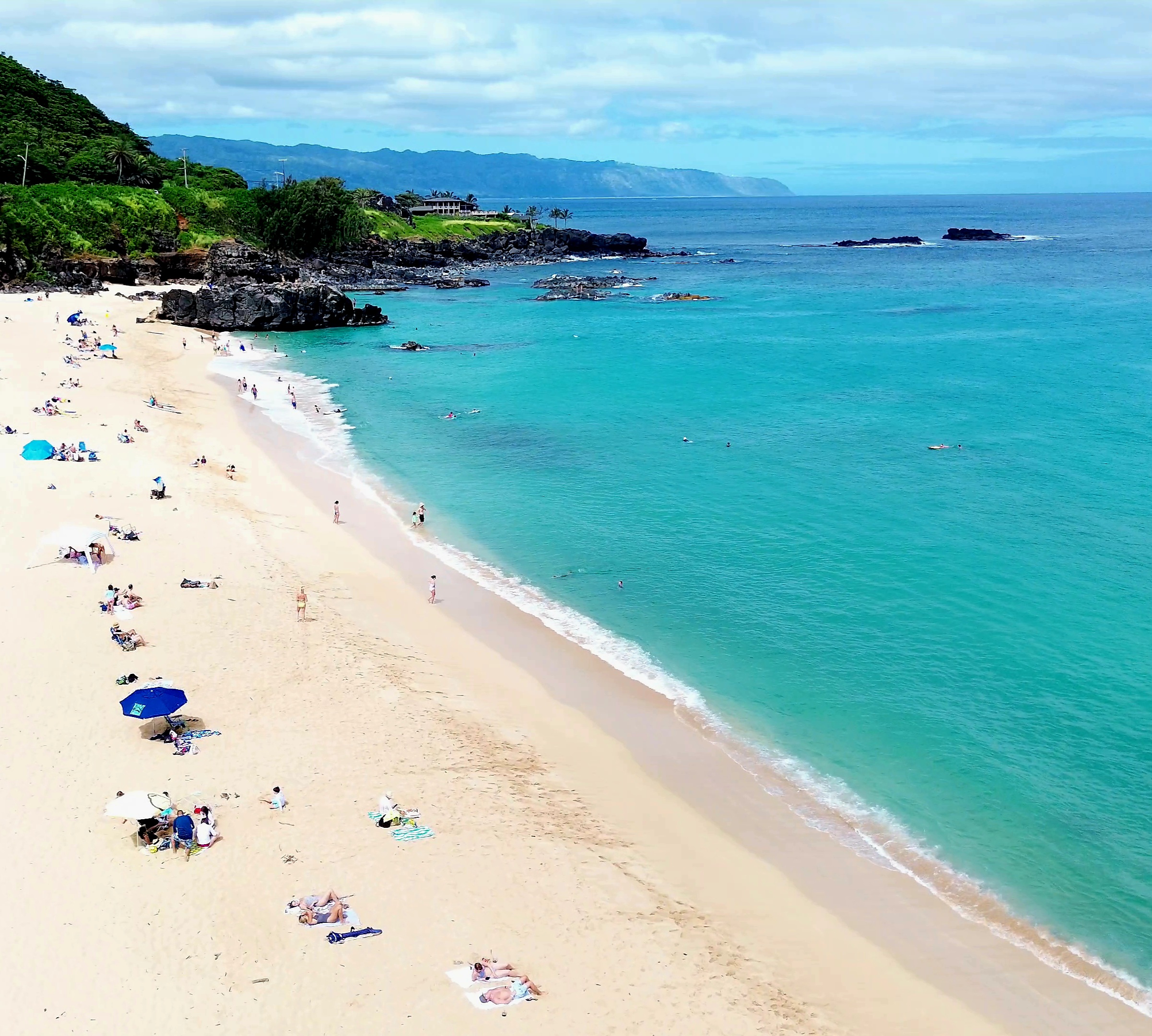
If you have seen a photo of Waimea Bay looking like a turquoise swimming pool and another showing huge waves, both can be the same place. On Oʻahu’s North Shore, the season can change the whole feel of your day.
My advice: decide what you want from the coast before filling your itinerary. A summer beach day and a winter surf-watching day need different plans.
The quick comparison
| Planning question | Summer | Winter |
|---|---|---|
| What is the main appeal? | Beach time and generally smaller North Shore surf | Surf watching and a dramatic coastline |
| Can we swim? | Sometimes, at a suitable beach when conditions allow | Do not build the day around swimming at exposed North Shore beaches |
| What can slow us down? | Beach parking, weekends and holiday traffic | Large swells, surf events, traffic and access restrictions |
| What stays worthwhile? | Haleʻiwa, local food, scenery and a flexible pace | |
Summer: leave room to enjoy the beach
Roughly May through September, North Shore surf is often smaller than in winter. That can make a beach stop feel more like the relaxed day people picture before visiting Hawaiʻi. Those months are a seasonal guide, not a swimming forecast.
Waimea Bay may suit a longer sand-and-water stop when lifeguards advise that conditions are appropriate for your group. Even on a calm-looking day, shorebreak, currents and changing swells matter. A photograph does not tell you what the water will do today.
For a family, I would choose one main beach stop, plan lunch nearby and leave room for changing clothes and a restroom break. Trying to squeeze swimming between ten photo stops usually leaves everyone rushed. Tell your guide whether the children want water time or whether the grandparents would prefer scenery with less sand walking.
Winter: make the ocean the view
Roughly November through March, north and northwest swells can transform the coastline. Waimea Bay, Pipeline and Sunset Beach become very different places from their calm-day pictures. There are smaller days too; the calendar never guarantees big waves.
On a large-surf day, enjoy the ocean from a safe viewing area well back from wave runup. Stay behind closures and warning signs, keep children beside you and follow lifeguard instructions. Dry sand or rocks can still be reached by an unexpected wave. Pipeline is an expert surf break, not a place for a visitor to test swimming ability.
Surf events can add traffic and crowds when they run, but event days depend on the swell and organizer decisions. Check the current schedule if an event matters to your visit; do not assume a competition will happen on a particular day.
April and October: keep the plan flexible
Transition months can bring a mixture of conditions. A sunny morning does not rule out a building swell, and rain does not tell you the wave size. Pick activities from the current forecast rather than labeling the whole month “safe” or “rough.”
Before heading out, check the National Weather Service Honolulu forecast and alerts and Hawaiʻi Beach Safety. At the beach, ask the lifeguard before entering the water. If you are unsure, stay out.
What about turtles, food and Waimea Valley?
Turtles are wild animals in every season. Seeing one is a possibility, never a promise, and rough conditions may mean skipping a coastal wildlife stop. Read my guide to seeing sea turtles responsibly before you go.
Haleʻiwa and a relaxed lunch can anchor either version of the day. Our Oʻahu food-stop guide helps you think beyond one famous shrimp stop. Waimea Valley can also fit when opening hours, admission and your group’s energy allow; waterfall swimming is a separate, condition-dependent decision and is never assured.
Two ways I would shape the day
A calmer summer day: start early, choose a suitable beach with lifeguard guidance, allow a real lunch break, then enjoy Haleʻiwa or another stop that fits your energy.
A winter swell day: choose safe surf viewpoints, allow extra driving time, build in food and town stops, and keep the beach towel optional. A day without swimming can still be a great North Shore day.
If you are staying on the west side, this Ko Olina day-trip guide will help with the bigger planning picture.
Choosing your beach stops? See 10 Oʻahu beaches worth leaving Waikīkī for, with ideas for both sightseeing and a slower beach day.
Which season should you choose?
Choose summer if your priority is the possibility of a longer beach stop. Choose winter if seeing powerful surf from shore is part of the experience you want. In either season, give the day room to change.
If you would like help with that flexibility, our Private North Shore Adventure is a starting point. Tell me who is traveling, how much walking feels comfortable and whether swimming matters. I’ll help shape the route around your group and the conditions.